 Expressnews

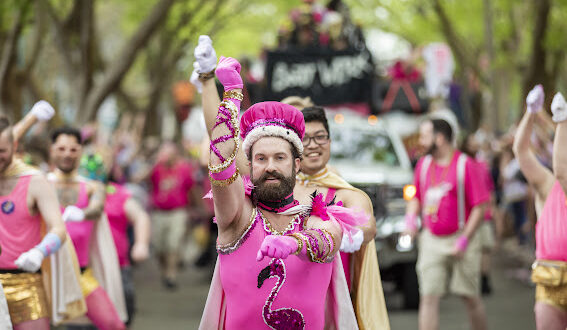
Mardi Gras is Louisiana’s biggest celebration of the year, bringing together culture, tradition, music, parades, and colour to showcase the state’s vibrant spirit. What appears to be one long celebration is, in fact, a mix of styles bound by the same beads and calendar. Baton Rouge delivers Mardi Gras with polish and wit, where satire rides alongside civic pride. Lafayette keeps it spirited and soulful, favouring age-old traditions that value dust on boots as much as music in the air. New Orleans stages the spectacle in full, lavish, theatrical, and gloriously excessive, while Lake Charles turns the season into a family style celebration that is equal parts pageantry and hometown joy. The revelry is shared, but the voice is local. Mardi Gras in Southern Louisiana is not a one-size-fits-all festival but improvised by community and joyously alive.
Lafayette
Lafayette celebrates Mardi Gras with the traditional Courir de Mardi Gras in Vermilionville, when costumed men and women travel the countryside, begging for gumbo ingredients. The race ends with a communal gumbo feast and live music. Other celebrations include parades, balls, La Festival de Mardi Gras, The Children’s Parade, which kicks off first in downtown Lafayette, and the Krewe of Bonaparte, established in 1972, by a group of 20-year-olds who were determined to start a new Mardi Gras krewe for young adults. Today, the krewe’s L’Empereur Napoleon and L’Imperatrice Josephine’s procession is still going strong. Since 1998, Krewe des Chien has had a noble mission: To raise funds for the many animal assistance organisations in the Acadiana area in need of financial support. Since the first pooch parade, Krewe des Chien has raised hundreds of thousands of dollars in support of their mission. Krewe of Rio’s Parada is known for its colourful floats, sparkling lights and the custom maracas that are bestowed upon revellers. In 1972, the Krewe of Bonaparte was established by a group of 20-year-olds who were determined to start a new Mardi Gras krewe for young adults. Krewe de Canailles is a downtown walking parade established in 2018 with a mission to promote inclusivity, sustainability, and creativity. This is proven by their man-powered floats and eco-friendly throws. Check out the Carencro Mardi Gras Parade and Scott Mardi Gras Parade for family-friendly fun.
Baton Rouge
The capital city’s first Spanish Town Parade, which took place in 1981 in the Spanish Town historic district, is a vibrant staple of the season. Since 1981, Spanish Town residents have kidnapped flamingo yard decorations and relocated them to their own yards, a colourful kickoff to a festive season! The traditional purple, green and gold is replaced by hot pink as a reflection of the pink flamingo mascot. Other parades wind through downtown, featuring beautifully designed floats, marching bands, costumed pets and even a lawnmower-pushing krewe. Mystic Krewe of Mutts is an annual fundraiser for the Capital Area Animal Welfare Society and features costume contests for dogs and their owners, a parade, and local vendors at Bark in the Park. Krewe of Artemis is Baton Rouge’s first all-female parading Mardi Gras Krewe with a mission to create an environment for people of all ages to enjoy. In 1977, Krewe Mystique had a mission to bring Mardi Gras to Baton Rouge and became the premier parade Krewe in the city. Today, La Krewe Mystique de la Capitale’s parade is one of the longest-running parades in the city. The Krewe of Orion was founded in 1998 and annually brings an assortment of entertainment, family fun, services, and economic stimulation to the Baton Rouge community with a full-scale lighted nighttime parade of floats and marching bands.
Lake Charles
On the far west end of the state, you will find Lake Charles enjoying the Mardi Gras season. This family-friendly Mardi Gras celebration includes more than 60 krewes participating in the Krewe of Krewes Parade. The Krewe of Krewes Parade features 60 krewes that roll through Lake Charles tossing thousands of throws — beads, cups, doubloons, and other trinkets. The Krewe of Omega Parade was formed in 1970 with the goal of providing social activities for the Black community, from the young to the elderly. The krewe also gives service awards to those who participate in the improvement of the community. Family-friendly events include the Mardi Gras Children’s Day Parade and the Krewe of Barkus Parade, where you will see a procession of pets and their owners in quirky costumes. The title of “Mystical Dog” is given to the most strikingly costumed participant. See hot rods, classic cars, and motorcycles at the Motor Gras Parade. And on Ryan Street, find the Second Line Stroll and Jeeps on Parade. And finally, the Iowa Chicken Run is a Cajun celebration featuring a parade, zydeco music and dancing, a chicken run, and a big pot of gumbo.
New Orleans- New Orleans is said to be the city where Mardi Grasbegan. These festivities are a combined expression of history, culture, and centuries-old traditions that are depicted through elaborate parades, Krewes, masked balls, cuisine, music and more, defining Mardi Gras traditions and celebrations in Louisiana like no other. Mardi Gras parades wind through various neighbourhoods in New Orleans, with major routes along St. Charles Avenue, Canal Street and throughout the French Quarter featuring dazzling floats, costumed revellers, and the iconic throws of beads and trinkets. The festive rhythm is set by the jazz and brass bands as well as marching groups. New Orleans’ French Quarter brings in the canine crew at the annual Krewe of Barkus, where dogs and their owners dress up in adorable, crazy costumes. Ultimately, no Mardi Gras in New Orleans is complete without a king cake, a beloved tradition symbolising the season’s spirit with its colourful icing, festive flavours, and a hidden trinket for good luck.